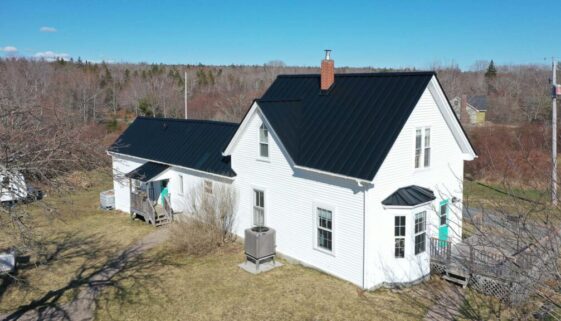
Metal Roofing vs Asphalt Shingles in Atlantic Canada
Asphalt shingles are the most common roofing material in Nova Scotia, but metal roofs are changing that. They’re familiar, widely installed, and cheaper to put on upfront. They’re also replaced every 15 to 20 years, absorb moisture, and struggle with the specific conditions Atlantic Canada throws at a roof.
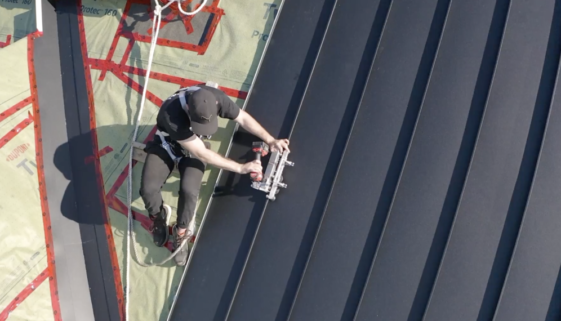
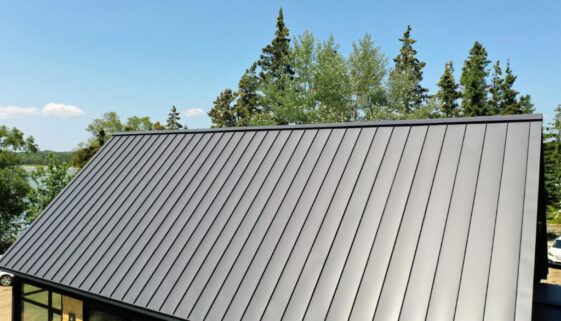
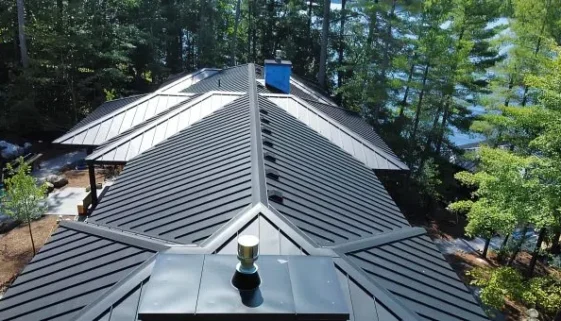
Metal roofing, and standing seam in particular, is a different category of product. Here’s how they compare across the factors that matter in this climate.
Lifespan
Asphalt shingles in Atlantic Canada typically last 15 to 25 years depending on exposure, ventilation, and the quality of the shingle. In coastal areas or locations with heavy wind and salt air, the lower end of that range is more realistic.
Standing seam metal roofing carries a 50-year warranty. With proper installation it routinely outlasts that. Over the life of a building, a homeowner with asphalt shingles may replace their roof two or three times before a metal roof requires any significant attention.
Performance in Atlantic Canada’s Climate
The Maritimes are hard on roofs. The specific challenges:
Freeze-thaw cycles.
Water gets under asphalt shingles, freezes, expands, and accelerates deterioration. Metal roofing has no granules to shed, no seams for water to infiltrate at the surface, and no material that degrades through repeated freeze-thaw.
Wind.
Asphalt shingles are mechanically fastened at the top edge, leaving the lower portion to lift in high winds. Standing seam panels interlock along the full seam length with concealed clips and carry a 150 MPH wind rating. Hurricane-track storms that move up the Eastern Seaboard are a real consideration in Nova Scotia, particularly on the South Shore.
Salt air.
Coastal properties face accelerated corrosion and material breakdown. KLAD’s panels are 24 or 26 gauge Galvalume steel, which combines steel with an aluminum-zinc alloy coating specifically engineered for corrosion resistance.
Snow load.
Metal roofs shed snow. The smooth surface doesn’t hold accumulation the way asphalt does, reducing structural load and ice dam risk.
Cost
Asphalt shingles cost less to install. That’s true. A standing seam metal roof costs more upfront.
The comparison changes when you look at the full picture. A homeowner who replaces an asphalt roof twice over 50 years, accounting for materials, labour, and disposal each time, will typically spend more in total than a homeowner who installs metal once. Metal roofing also adds resale value and can reduce home insurance premiums in some cases.
KLAD doesn’t install asphalt shingles. If a contractor is quoting you both side by side, make sure the comparison accounts for lifespan, not just installation cost.
Appearance
Asphalt shingles come in a wide range of styles and colours. So does standing seam metal roofing. KLAD offers [X] standard colours across SMP and PVDF finishes, with custom colour options available. [link to Colours page]
The clean vertical lines of standing seam suit contemporary, coastal, and farmhouse architecture well. It reads as a premium finish, which it is.
Environmental Impact
Asphalt shingles are petroleum-based and generate significant landfill waste at end of life. Most are not recyclable.
Steel is one of the most recycled materials on earth. KLAD’s panels are 100% Canadian-manufactured in Brooklyn, Nova Scotia, which means no overseas shipping, no cross-border tariff exposure, and a significantly lower transport footprint than imported products.
What KLAD Installs
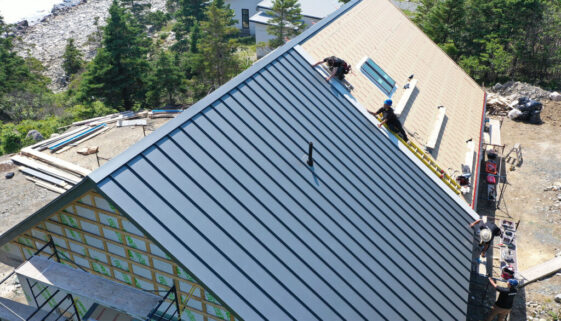
KLAD manufactures and installs standing seam metal roofing panels using an Englert MetalMan Multi-Panel Roofing Machine. Panels are roll-formed to the exact length needed for your roof, with no horizontal seams. KLAD uses drone scanning for precise roof measurement before any quote is generated.
We do not install asphalt shingles. If standing seam is the right fit for your project, get a quote here. If you’re a contractor looking to supply panels, get in touch.