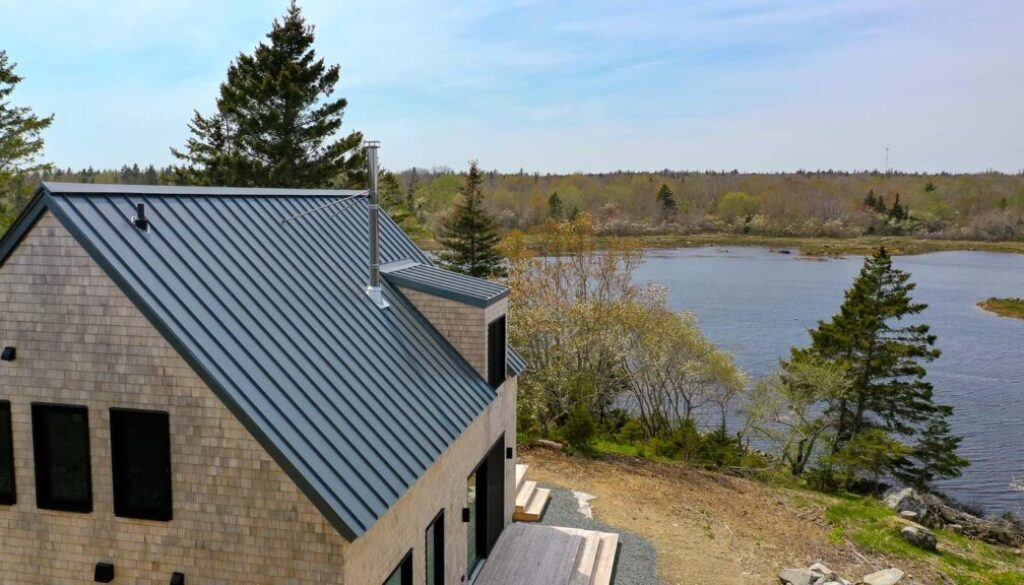
Signs You Need a New Roof (and Why Winter Is the Time to Plan)
Fall and winter are when a tired roof shows its age. Heavy rain finds every weak spot, wind lifts loose shingles, and the first freeze brings ice dams. If you’ve noticed problems this season, you don’t have to wait for spring to deal with them. Winter is the best time to plan a roof replacement, so you’re ready to go when the building season starts.
Here are the signs you need a new roof, and what to do about them over the winter.
How long does a roof last?
Asphalt shingles typically last 15 to 30 years, depending on shingle quality, attic ventilation, and how exposed the roof is. Coastal wind, salt air, and repeated freeze-thaw cycles in Atlantic Canada can shorten that. If your shingle roof is 20 years old or more, it’s worth a close look even if it isn’t leaking yet.
Standing seam metal roofing lasts much longer. KLAD’s Mech-Lock system carries a 50-year system warranty. For a side-by-side comparison, see metal roofing vs asphalt shingles in Atlantic Canada.
Signs you need a new roof
You can check most of these from the ground with binoculars. Stay off the roof in winter; ice and snow make it dangerous.
On the outside
- Curling, cupping, or cracked shingles. Shingles that no longer lie flat let wind and water get underneath.
- Missing shingles. One or two after a storm can be repaired. Shingles going missing after every storm means the roof is wearing out.
- Granules in the gutters. Shingles shed their protective granules as they age. Piles of grit in the gutters or at the bottom of downspouts mean the shingles are near the end.
- Moss and algae. Moss holds moisture against the roof and can lift shingle edges.
- Damaged flashing. Cracked, lifted, or rusted flashing around chimneys, vents, and skylights is a common leak point.
- A sagging roofline. A dip or sag can mean structural damage or rot in the roof deck. Have a professional look at it right away.
On the inside
- Water stains or leaks. Stains on ceilings or walls, or drips after heavy rain, mean water is already getting in.
- Problems in the attic. Damp insulation, mould, or daylight showing through the roof boards are all signs of trouble.
- Ice dams. Ice dams form when heat escapes into the attic, melts snow on the roof, and the water refreezes at the eaves. Repeated ice dams can push water under shingles and cause leaks.
Repair or replace?
If your roof is fairly new and the damage is limited to one area, a repair may be enough. If you’re seeing several of the signs above, the roof is 20 years old or more, or you’re patching leaks every year, replacement usually makes more sense than repeated repairs.
If you have an active leak now, call a roofer for a repair to get you through the winter, then plan the full replacement for spring.
Why winter is the best time to plan your roof replacement
The best time of year to replace a roof is spring through fall, when the weather is reliable. The best time to plan one is the winter before.
- Get on the schedule early. Roofing schedules fill up quickly once the season starts. Booking over the winter gives you a better chance at the install date you want.
- Compare options without pressure. You have time to get quotes, compare materials, and make a decision before anything is urgent.
- Choose your colour. Browse KLAD colour options and pick a finish that suits your home.
- Budget ahead. Knowing the cost now lets you plan for it. See how much a metal roof costs in Nova Scotia.
- Be protected before next winter. A spring or summer install means your new roof is in place before next year’s storms.
What to do this winter
- Do a ground-level check of your roof and take photos of anything you’re unsure about.
- Note any leaks or ice dams when they happen, with the date and location.
- Find out how old your roof is from your records or the previous owner.
- Get a quote using the KLAD quote calculator.
- Choose your material, colour, and finish options.
- Book your install for the coming season.
KLAD installs within an hour of Liverpool, Queens County. Outside that area, KLAD works with trusted installers across the Maritimes.
Thinking about metal this time?
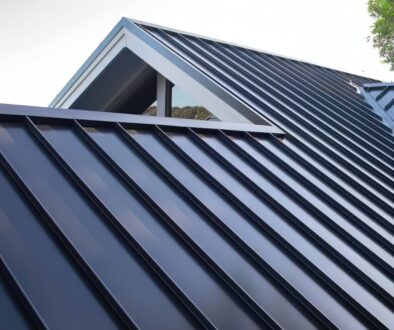
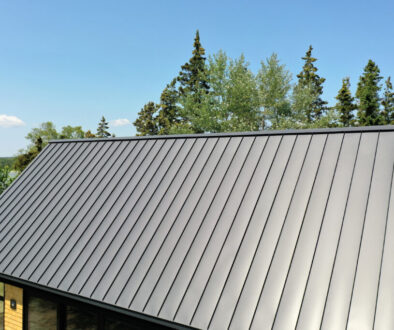
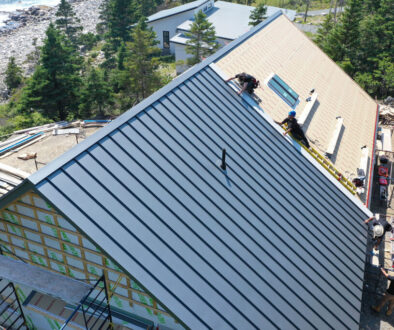
If you’re replacing your roof anyway, it’s worth considering a roof you won’t need to replace again. KLAD standing seam metal panels attach with concealed clips and are mechanically seamed at every joint, so there are no exposed fasteners to loosen or leak. Panels are made from 24 gauge or 26 gauge Galvalume steel and come with a 50-year system warranty and a 40-year finish warranty. Every panel, trim, and flashing is manufactured in Liverpool, Queens County. Learn more about what standing seam metal roofing is.
Get a quote
Planning a roof replacement for next year? Use the quote calculator to get an estimate and start planning over the winter.